Plan Your Loire Valley Visit

Loire Valley Weather & Climate

Understand typical temperatures, rainfall and seasonal conditions in the Loire Valley, France, and what the weather can mean when planning a visit to the wine region.

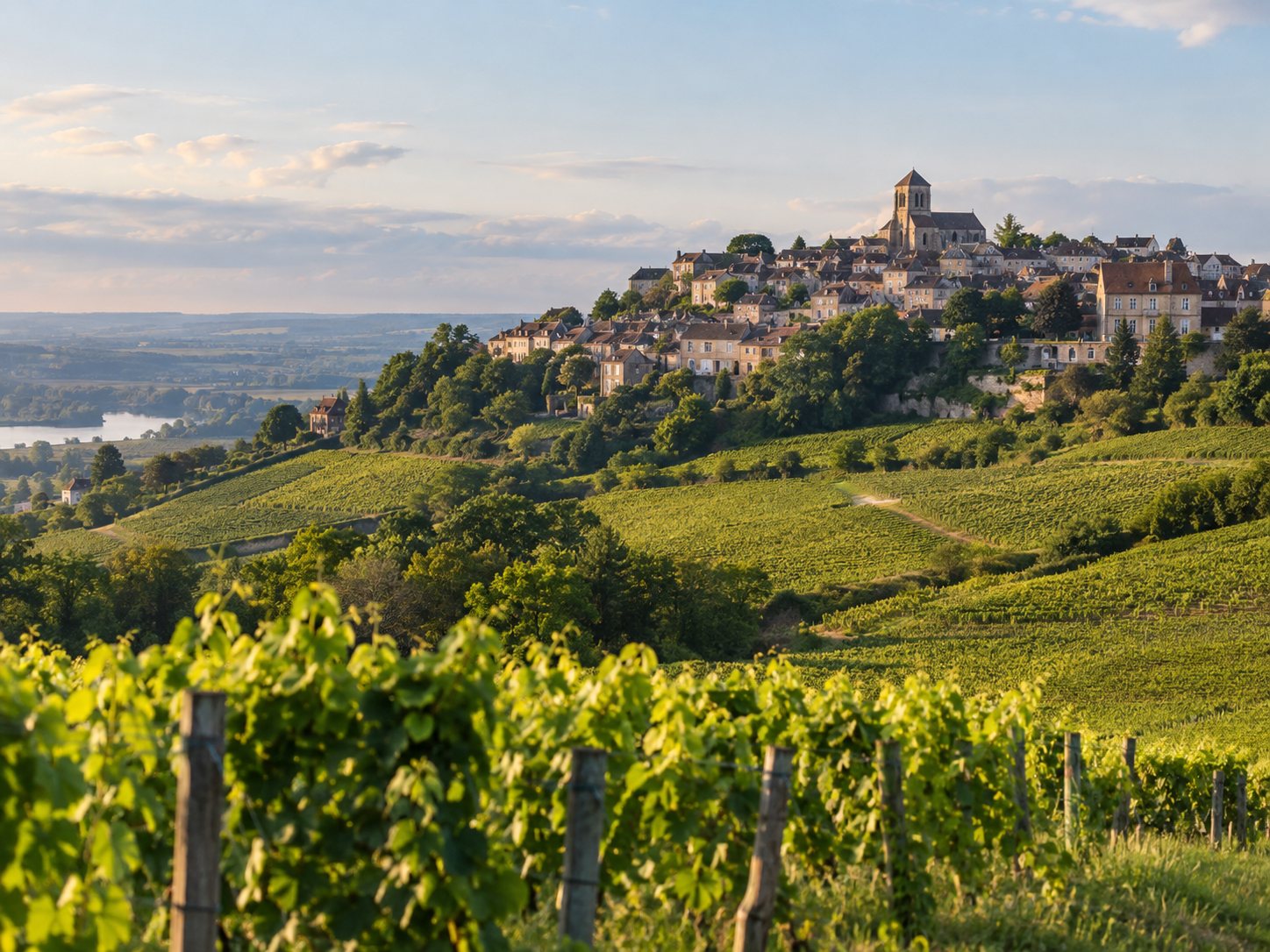
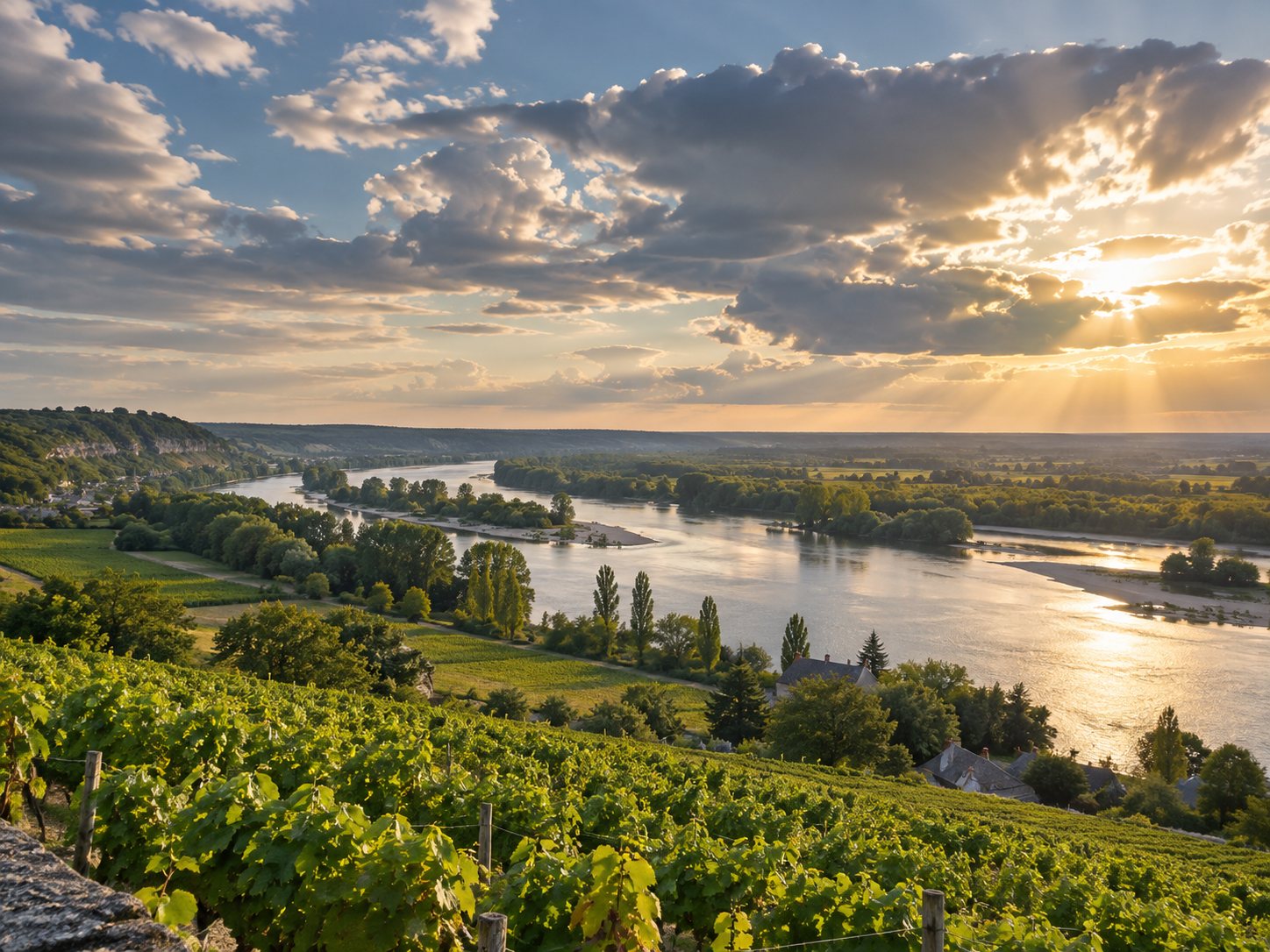
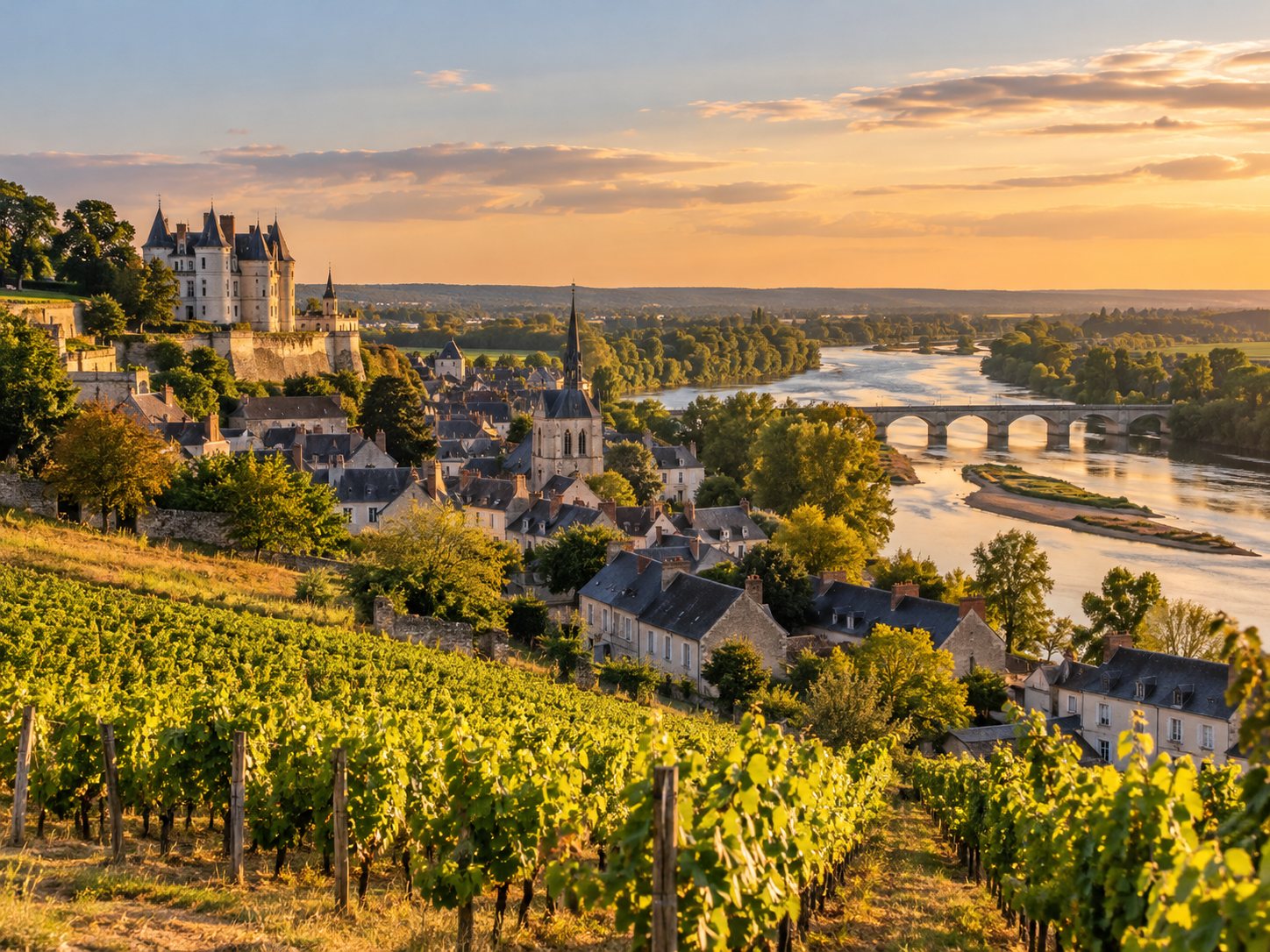
Illustrative vineyard and river landscape beneath a changing sky

What is the weather like in the Loire Valley?

The Loire Valley has a generally temperate climate, with warm summers, cool winters and rainfall possible throughout the year.

Spring and autumn are usually mild but can be changeable, while July and August tend to bring the warmest conditions. Winter is generally cool and damp rather than severely cold.

It is important to distinguish climate from weather. The figures on this page describe long-term patterns and typical conditions. The weather on a particular day can still be warmer, cooler, wetter or sunnier than the monthly average.

Loire Valley Climate

Loire Valley weather by month

Average monthly high and low temperatures and typical rainy days provide a useful guide to how conditions change through the year in the Loire Valley.

Average monthly high and low temperatures and typical number of rainy days in the Loire Valley, France.
Month Average high Average low Rain
January 7°C (45°F) 2°C (36°F) 10 days
February 9°C (48°F) 1°C (34°F) 9 days
March 13°C (55°F) 3°C (37°F) 9 days
April 17°C (63°F) 5°C (41°F) 8 days
May 20°C (68°F) 8°C (46°F) 9 days
June 25°C (77°F) 12°C (54°F) 7 days
July 27°C (81°F) 13°C (55°F) 6 days
August 26°C (79°F) 13°C (55°F) 5 days
September 23°C (73°F) 11°C (52°F) 7 days
October 17°C (63°F) 8°C (46°F) 9 days
November 11°C (52°F) 4°C (39°F) 9 days
December 8°C (46°F) 2°C (36°F) 11 days

These figures are long-term climate averages rather than a weather forecast. Conditions vary from year to year and across the Loire Valley wine region.

Weather Through the Year

Loire Valley weather through the seasons

The Loire Valley has four distinct seasons. Temperatures and conditions change considerably through the year, while rainfall remains possible in every season.

March to May

Spring

Average daytime highs: 13–20°C (55–68°F)

Spring in the Loire Valley is a transition from cool early-season weather towards increasingly mild and sunny conditions. March can still feel distinctly cool, while April and May generally bring warmer afternoons.

Rain remains part of the Loire climate throughout spring, and individual days can change quickly between sunshine, cloud and showers.

What this means for your visit

Bring layers and a light waterproof jacket. Mornings can be considerably cooler than afternoons, particularly in March and April.
June to August

Summer

Average daytime highs: 25–27°C (77–81°F)

Summer usually brings the warmest and sunniest weather in the Loire Valley. July has the highest average daytime temperature, while August typically has the fewest rainy days in the monthly figures above.

Hotter spells can occur and occasional rain or thunderstorms remain possible even during the driest part of the year.

What this means for your visit

Light clothing, sun protection and water are useful during the day. Keep an extra layer available for winery cellars, which can remain cool even when it is hot outside.

September to November

Autumn

Average daytime highs: 11–23°C (52–73°F)

Early autumn can remain pleasantly warm, with September often retaining something of the summer. Temperatures then fall steadily through October and November as the Loire Valley moves towards winter.

Autumn is also an important period in the Loire wine region as vineyards move through harvest and the landscape begins to change colour.

What this means for your visit

September may still call for summer clothing during the day. By later autumn, warmer layers and reliable waterproof outerwear become increasingly useful.

December to February

Winter

Average daytime highs: 7–9°C (45–48°F)

Winter in the Loire Valley is generally cool and damp rather than severely cold. Average daytime highs remain above freezing, although frosts and colder periods can occur.

December has the highest number of rainy days in the monthly figures above, and winter days are considerably shorter than during the main visitor season.

What this means for your visit

Warm layers, waterproof outerwear and comfortable footwear are sensible for winter travel in the Loire Valley.

Across the Wine Region

Does weather vary across the Loire Valley?

Yes. The Loire Valley wine region stretches for hundreds of kilometres across France, so conditions are not identical from one end of the valley to the other.

The Atlantic has a stronger influence on the western Loire, while conditions become increasingly continental further inland. Around Tours, Vouvray and Chinon in the central Loire Valley, the climate sits between these influences.

Further east, around Sancerre and Pouilly-Fumé, the greater distance from the Atlantic means continental influences become more noticeable. This is one reason a single set of Loire Valley climate averages should always be treated as a regional guide rather than a precise forecast for every appellation.

Central Loire

Tours, Vouvray and Chinon provide a useful reference point for much of the practical weather information on this page and for visitors exploring the central Loire wine region.

Eastern Loire

Sancerre and Pouilly-Fumé lie further inland, where continental influences are more apparent and local conditions can differ from those further west.

Practical Advice

What does the weather mean for a Loire Valley wine tour?

Wine touring in the Loire Valley is not dependent on perfect weather, but the season can change the character of your day.

Winery visits and tastings provide plenty of time indoors, while travelling between producers gives you the opportunity to see the vineyards and villages in different conditions. A cool or showery day therefore does not necessarily prevent an enjoyable wine tour.

In warmer weather, vineyard stops can be hot and exposed to the sun. Cellars can present the opposite problem: many remain naturally cool throughout the year, so an extra layer can be useful even on a warm summer day.

The main practical rule is simple: check the short-range forecast shortly before travelling and bring clothing that can cope with changing conditions.

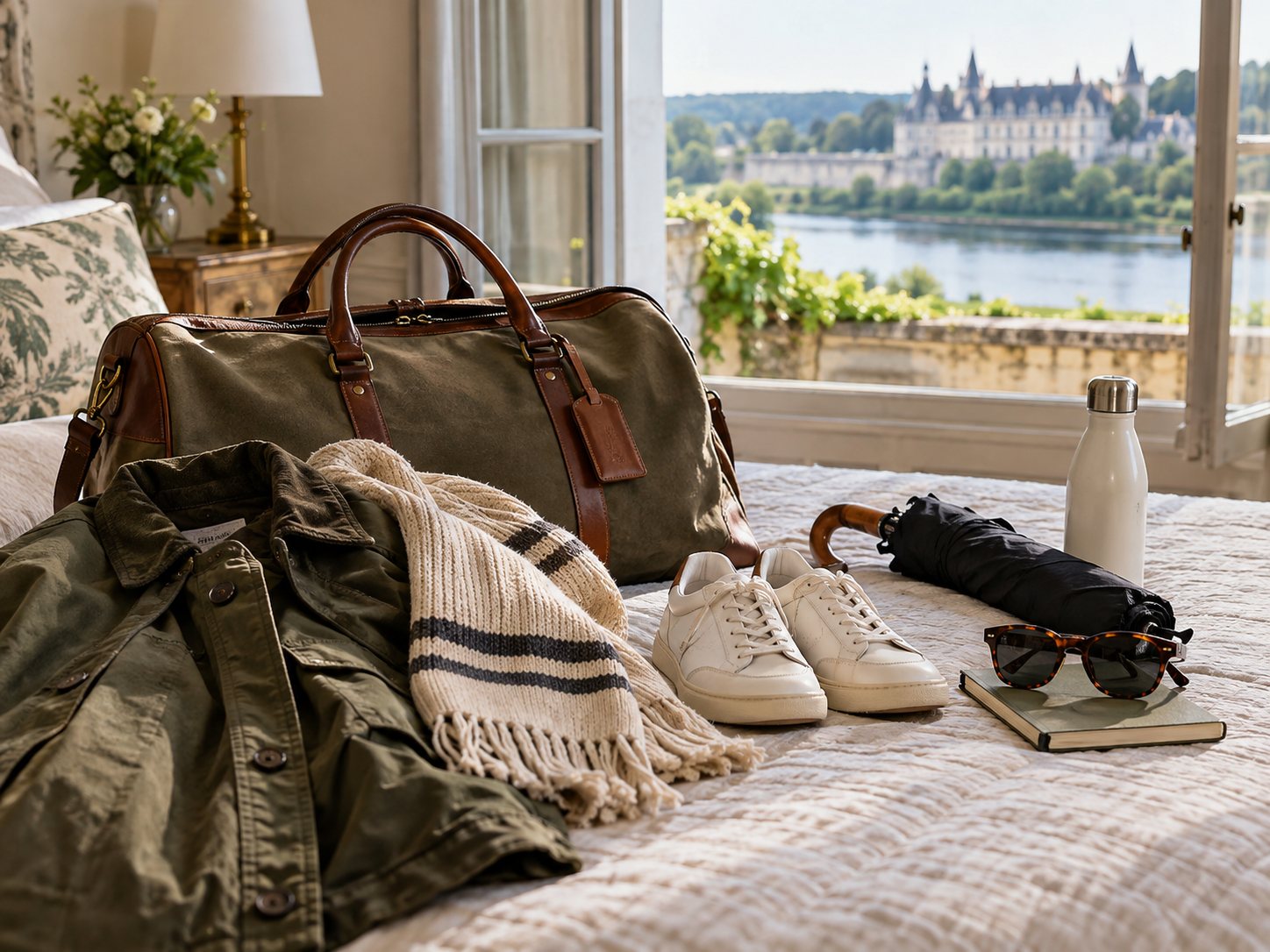
Illustrative clothing, walking shoes and umbrella packed for a Loire Valley visit

What to Pack

Dress for changing Loire Valley weather

The safest approach in the Loire Valley is to be prepared for conditions to change during the day.

Comfortable footwear is useful for winery visits, villages and vineyards. A light waterproof layer is sensible through much of the year, while warmer layers become important in autumn and winter.

During summer, bring sun protection and something light to wear outdoors, but keep an extra layer available for cool cellars. An umbrella can also be useful when showers are forecast.

Planning Your Visit

Loire Valley weather FAQs

Practical answers to common questions about climate, rain and temperatures when visiting the Loire Valley in France.

When you're ready to explore

Discover the Loire beyond the forecast

Planning your dates? These private experiences offer different ways to discover the wines, food and places of the Loire Valley.

Explore all Loire Valley tours

Plan Your Loire Valley Visit

Plan a private Loire Valley wine tour

Tell Colin when you're visiting, where you'll be staying and what you'd particularly like to discover, and he'll help shape a private wine tour around you.

Plan Your Tour